
What’s Fistball
History of Fistball
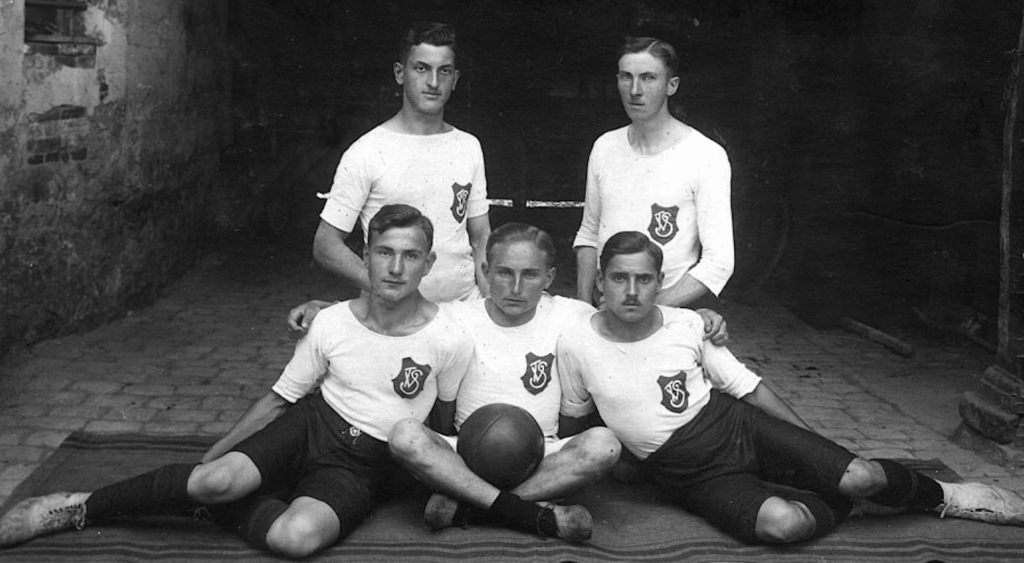
Fistball’s origins trace back to Southern Europe, with the earliest known mention by Roman Emperor Gordian III in 240 AD. Rules were later documented in 16th-century Italy, and Johann Wolfgang Goethe noted the game in his 1786 travel writings. The modern era began in 1870 when Georg Weber introduced fistball to Germany, where it was adopted as a gymnastic sport. The first German rules, drafted in 1894, established its competitive character. From there, the sport spread across German-speaking nations and, via emigrants, to other continents. The first German men’s championship was held in 1913, with a women’s championship following in 1921. As its popularity grew, rule changes made the game more athletic and dynamic, shifting the focus to forcing errors. To govern this international development, the International Fistball Association (IFA) was founded in 1960. The IFA organized the first Men’s World Championship in 1968, with the Women’s World Championship debuting in 1994, cementing fistball’s status as a global sport.
How to Play Fistball
Fistball, a sport with millennia of history, is featured in The World Games. Its versatility allows for both indoor and outdoor play, making it suitable for all ages and skill levels. This dynamic team game continues to grow in global popularity.
Fistball Rule
Fistball features straightforward rules, making it easy to learn. To ensure accessibility for all ages, the court dimensions and net height are fully adjustable. This adaptability promotes inclusive play and allows the game to be tailored for various skill levels and age groups.
Fistball with Kids
Fistball is an excellent sport for youth development. It promotes teamwork, coordination, and physical fitness in a dynamic, non-contact environment. The game’s rules are straightforward to learn, and the equipment can be adapted for different age groups, making it both accessible and engaging for children.
